The following text was written for me by a member of the local community after I asked for those involved to offer a personal perspective on the project.
The Myth of Eilean Nan Ron
When we speak of myths we tend to think of the prehistoric or the fictional, the Trojan Horse, the Labours of Hercules, the Lord of the Rings. We instinctively distance ourselves, living in our everyday modern world, from myths and the process of myth making, as if the stories that we tell about the world around us were somehow different, somehow objective truth.
But every community has its myths, and every member of every community is complicit in the production, and reproduction of these myths. You could say that a community is defined by its myths, that a community is nothing more or less than the collection of people who believe a common set of stories, who reverence a certain mythology.
And we are all, for better or worse, members of various overlapping communities, geographical, cultural, political, spiritual, each with its own mythology, its stories, its truths. Because we are not speaking of myths as fictions, but as narratives and fragments of narratives, threads to be spun together to illustrate the past and sustain the present – we are the stories that we believe.
Eilean Nan Ron has such mythic status in Skerray. The island is a constant presence offshore, the one and a half miles of water a physical separation representing almost 70 years, a lifetime, since evacuation. The life of the islanders belongs now to stories rather than memories, and in that transformation has become a rich mythology, which defines the community that tells and retells those stories.
So what does it mean to make art out of this? Firstly, there has to be the recognition that the island itself has become a community artwork, a narrative in progress that grows, evolves, is embellished and edited.
Second, it could be seen as a corrective, a regrounding – see, this rowing, it wasn’t the work of giants or super humans, just a hard but routine part of the daily existence. And why did we all assume that the lamps would have been visible 70 years ago? Has our bright, shiny, electric world colonised our ancestors’ lives too?
And thirdly, and maybe most of all, this art will become a contribution to the work in progress that is the myth of Eilean Nan Ron, another thread to weave in the story of the island, the lassie who rowed to the island, the community that came together to help and watch, and be participants not just in an artwork, but in a myth.
J
09 November 2006
Passing Place Exhibition
Saturday the 14th of October was a beautiful day, much like the day I rowed across to Eilean Nan Ron. Over 70 people from the surrounding communities attended the exhibition and took away with them two posters documenting the project in text and image. It was a perfect end to what was a great experience for me. Everyone that I hoped would come along to the exhibition , came, they left their thoughts and comments in a book which is now all the more important considering the mean spirited and inaccurate manner in which ceratain non participants chose to regard the project( see Am Brattach October and Novemebr issues)I did not respond publicly to the comments published, rather the engagement of the local community was again punctuated by two independent, and wholly supportive letters written by members of local the community. I am very grateful to Rhona and Bazil for taking the time and effort to show their support.
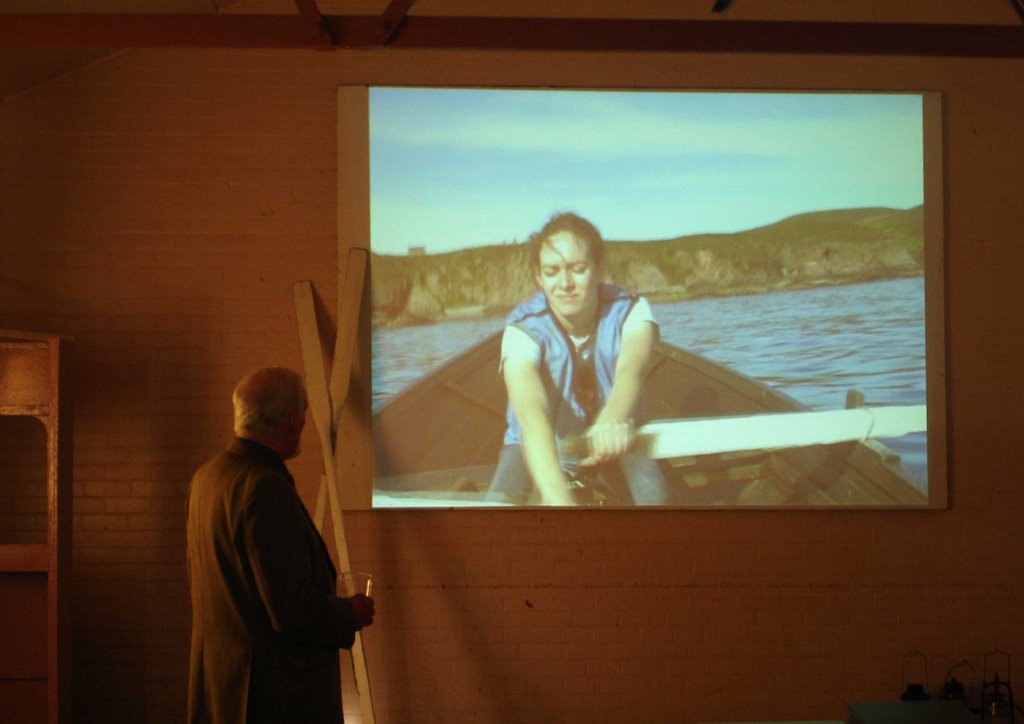
I chose not to show the film in a dark space, rather allowing some of the beautiful, Scottish ambient light to illuminate the space. The video documentation was projected whilst the oars, life jacket and lamps sat in the space.
A second projection displayed a power point of still images taken by myself and members of the Skerray community during my three month residency.
A monitor sitting ontop of the stage played the animations produced by children from local primary schools, whilst a separate monitor showed the video,Liberty Tower, which is also currently showing in Beirut.
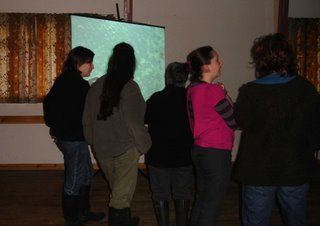 The Skenes
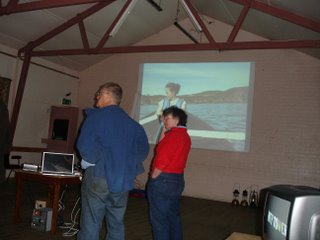 Hugh and Jean
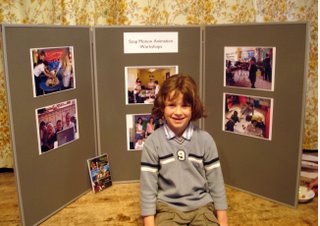 Tiegan - Altnaharra Primary School
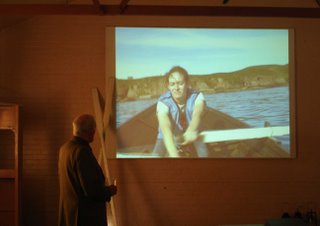 Bazil
Bazil
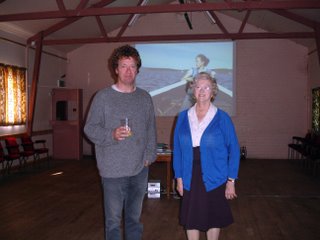 Joe and Babe
I chose not to show the film in a dark space, rather allowing some of the beautiful, Scottish ambient light to illuminate the space. The video documentation was projected whilst the oars, life jacket and lamps sat in the space.
A second projection displayed a power point of still images taken by myself and members of the Skerray community during my three month residency.
A monitor sitting ontop of the stage played the animations produced by children from local primary schools, whilst a separate monitor showed the video,Liberty Tower, which is also currently showing in Beirut.
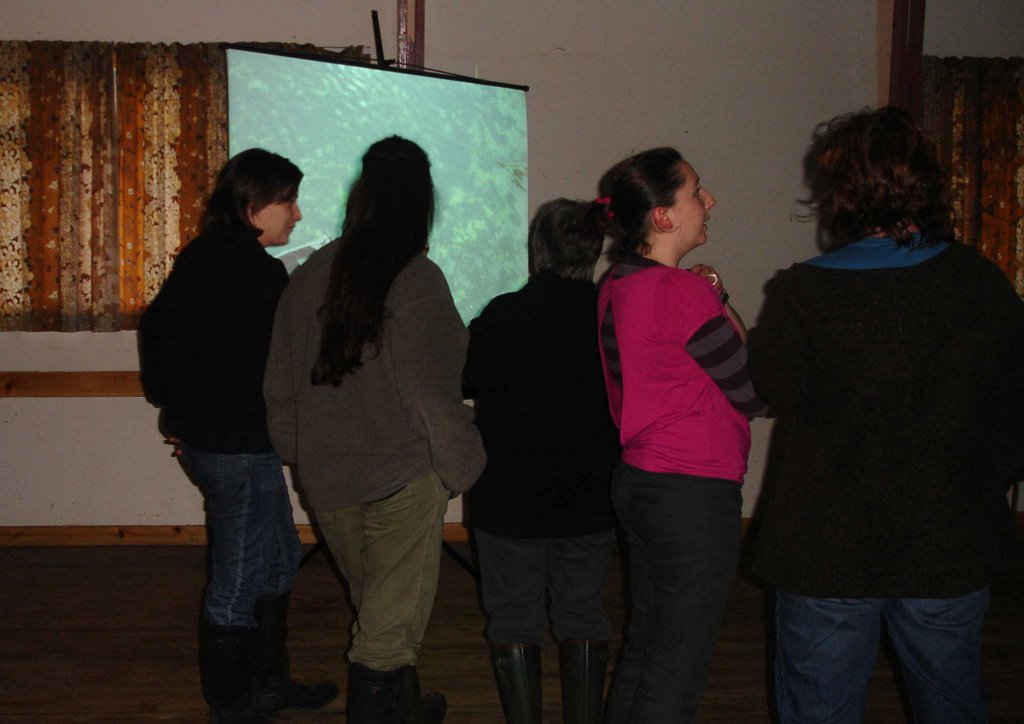 The Skenes
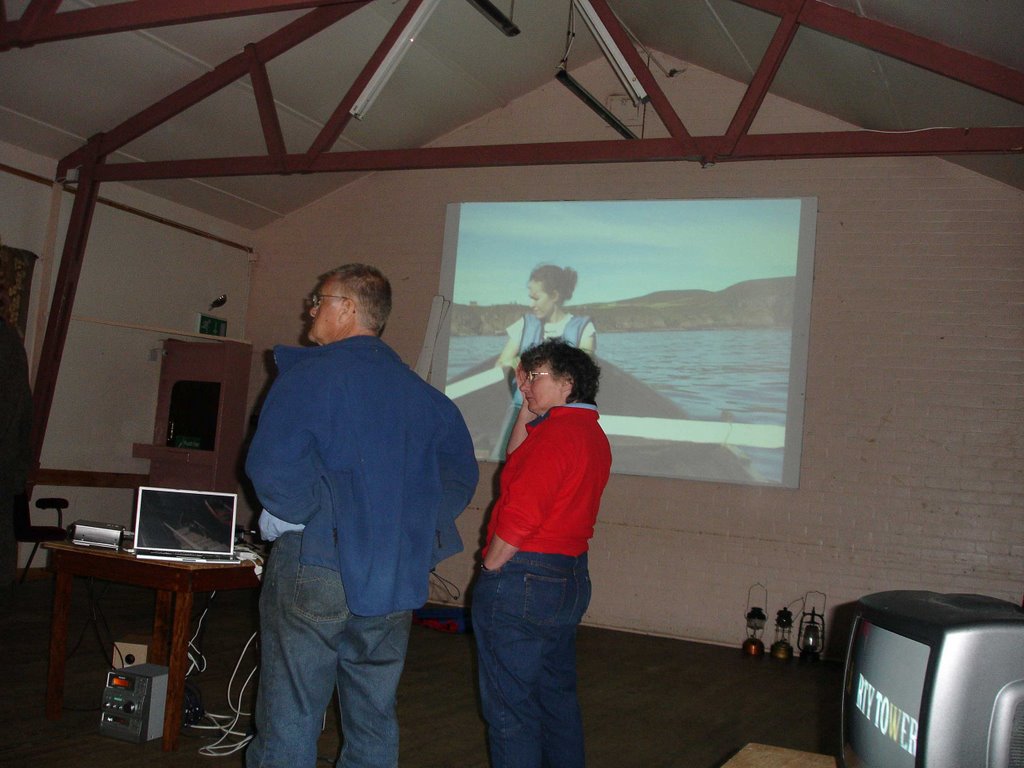 Hugh and Jean
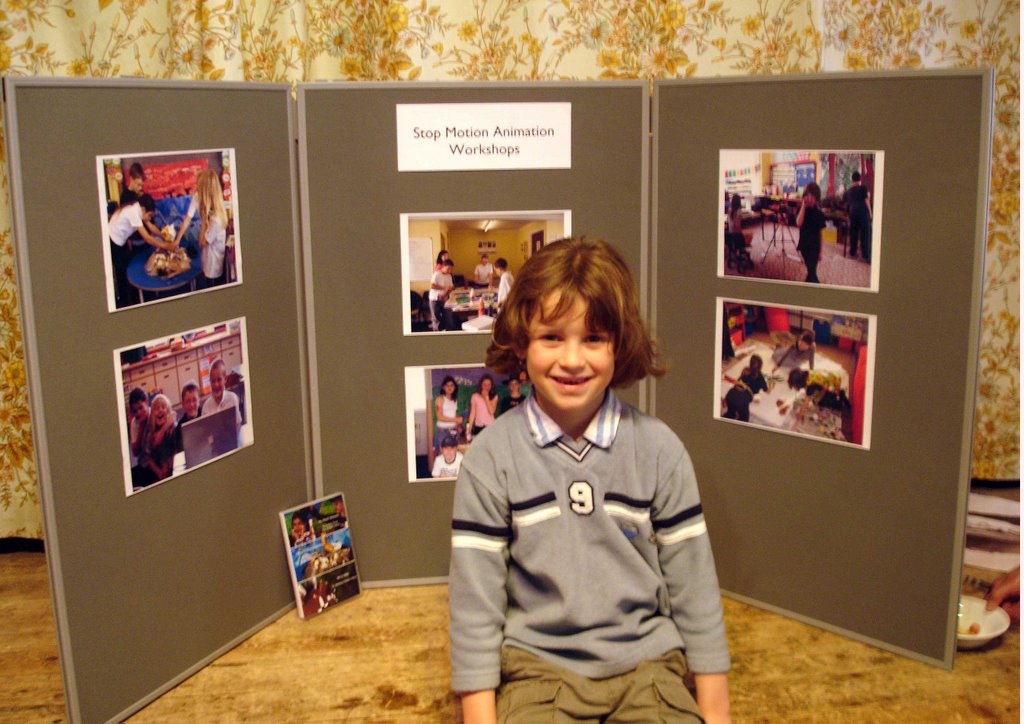 Tiegan - Altnaharra Primary School
 Bazil
Bazil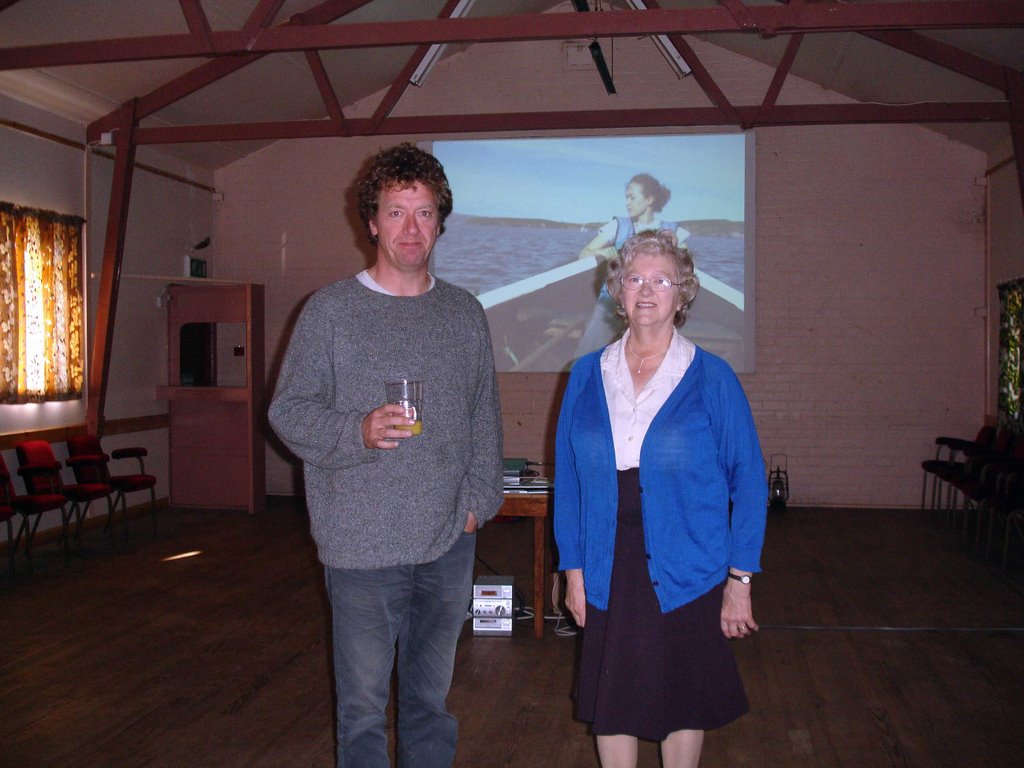 Joe and Babe

Subscribe to:
Posts (Atom)